Wellness Guide
Deep Tissue vs Relaxation Massage: Which One Suits Your Week
The most common booking mistake is choosing the wrong massage type for your current state. Here's a clear guide to understanding the difference.
The most common mistake clients make is booking the wrong modality for their current physical and mental state. Deep tissue and relaxation massages serve entirely different purposes, and treating them as interchangeable often produces a frustrating experience with neither objective fully met.
Relaxation Massage: What It Actually Is
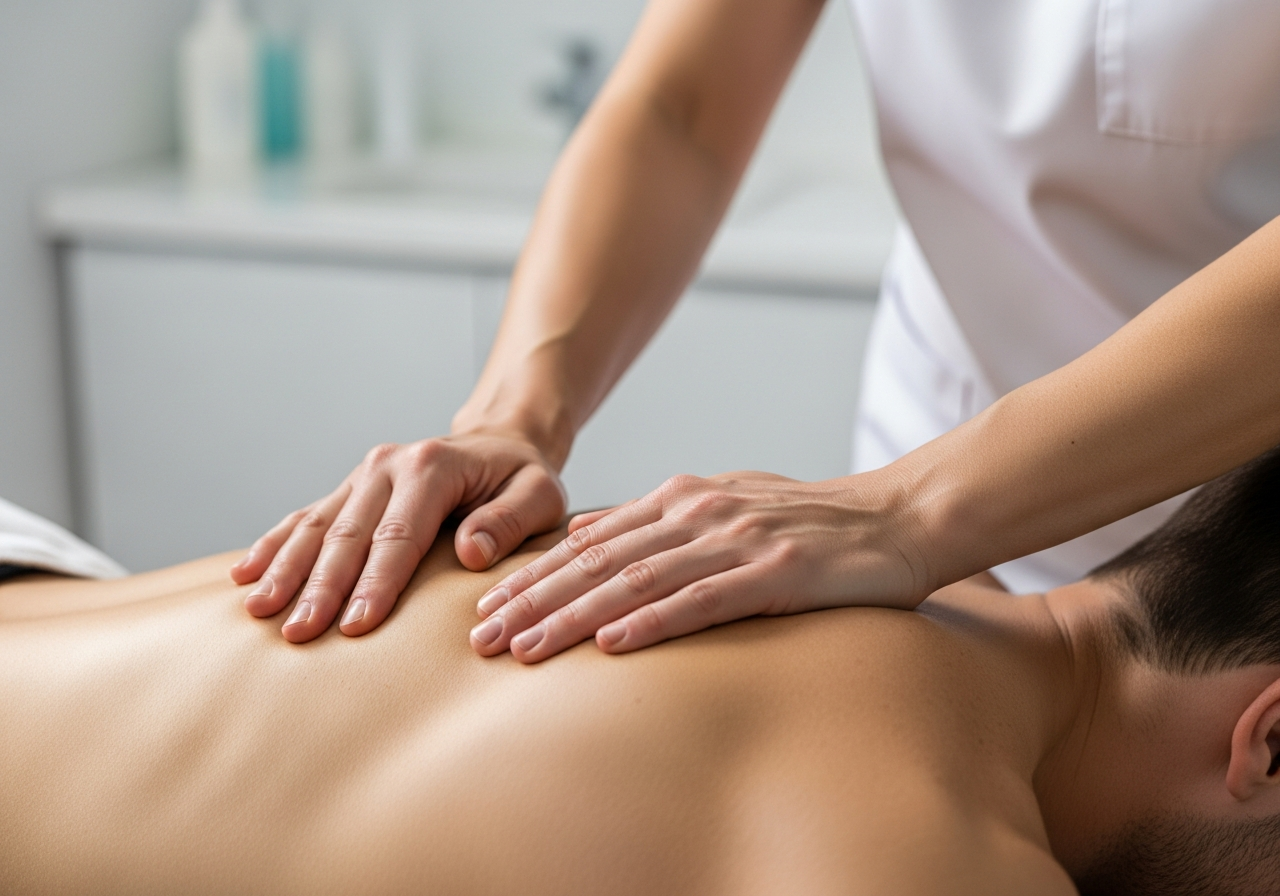
Relaxation massage involves long, flowing, gliding strokes combined with gentle kneading and rhythmic compressions. The pressure ranges from light to medium. The defining characteristic is its continuous, uninterrupted rhythm, which is specifically designed to activate the parasympathetic nervous system — the part of your autonomic nervous system responsible for rest, recovery, and stress reduction.
The primary goal of a relaxation session is nervous system regulation. It is designed to lower cortisol, reduce mental stress, slow heart rate, and promote a state of deep physical calm. It is not designed to fix chronic muscular tightness or break down adhesions in connective tissue.
Deep Tissue Massage: Purpose and Reality
Deep tissue work targets the inner layers of muscles and connective tissue (fascia). The therapist uses slower, more deliberate strokes and sustained, targeted pressure — often using elbows, forearms, and thumbs rather than palms — to reach muscle groups that sit below the superficial layer.
Deep tissue can be slightly uncomfortable, particularly in areas of genuine tightness. It should never be agonising. If you are tensing against the pressure or wincing consistently through the treatment, the therapist is applying too much force, and you should say so immediately.
Understanding When Each Applies
If you've had a physically demanding week, you're carrying obvious muscular tightness in specific areas, and you feel resilient enough to handle firm pressure — choose deep tissue. The result is genuine structural relief.
If you're mentally and emotionally depleted, feel physically fragile or hypersensitive, haven't slept well, or are coming off a period of intense life stress — choose relaxation massage. Your body's nervous system doesn't need assault right now; it needs sustained, gentle activation of its rest-and-repair response.
The Common Mistakes
Booking deep tissue because it "sounds more serious" when what you actually need is nervous system rest. Deep tissue applied to an already-depleted system often feels harsh and irritating rather than relieving.
Booking relaxation massage for a genuine structural problem — a frozen shoulder, a persistent lower-back complaint, tension headaches driven by chronic neck tightness. Relaxation will temporarily reduce the sensation of these issues without addressing their source.
Quick Decision Guide
Choose Relaxation when:
- Mentally exhausted
- High-stress, depleted period
- Poor sleep, fragile nervous system
- Gift or occasion booking
- First massage, uncertain preference
Choose Deep Tissue when:
- Specific muscular tightness
- Post-training recovery
- Desk posture complaints
- Chronic tension spots
- Injury rehabilitation
Browse our full provider directory across Melbourne and Sydney, or list your practice with us.