Search results mix these words as if they were flavours of the same hour. They are not. Booking the wrong style is the usual reason someone leaves a studio disappointed and writes the craft off.
Traditional Thai
You stay clothed in comfortable trousers and a top. You lie on a mat. The therapist moves your body. Pressure is firm and rhythmic. Stretches are the signature. Oil is optional and, in a strict traditional room, absent. The session is a full-body sequence, not a custom focus on one sore spot — though a good therapist will still spend longer where you are tight.
Swedish
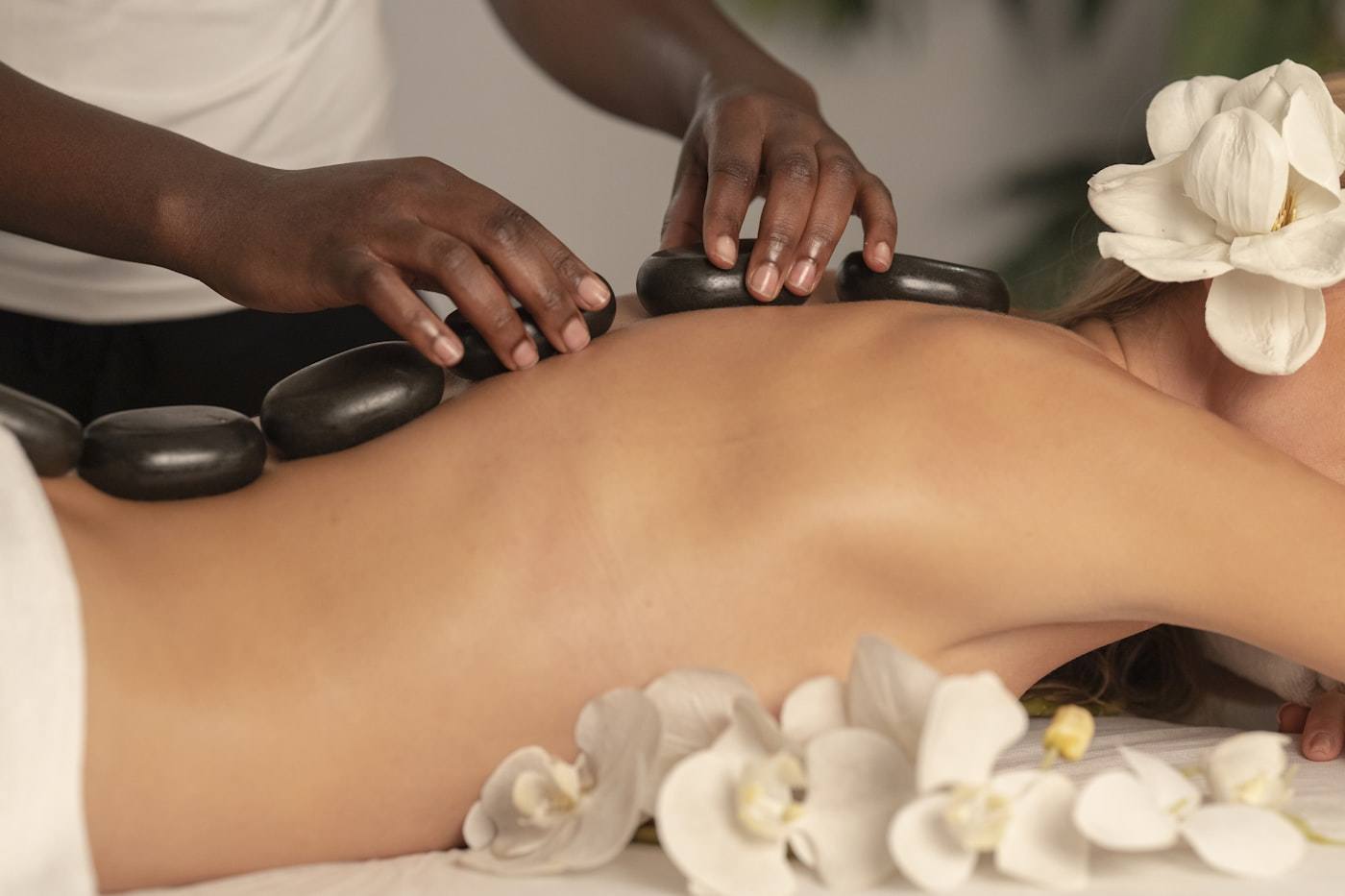
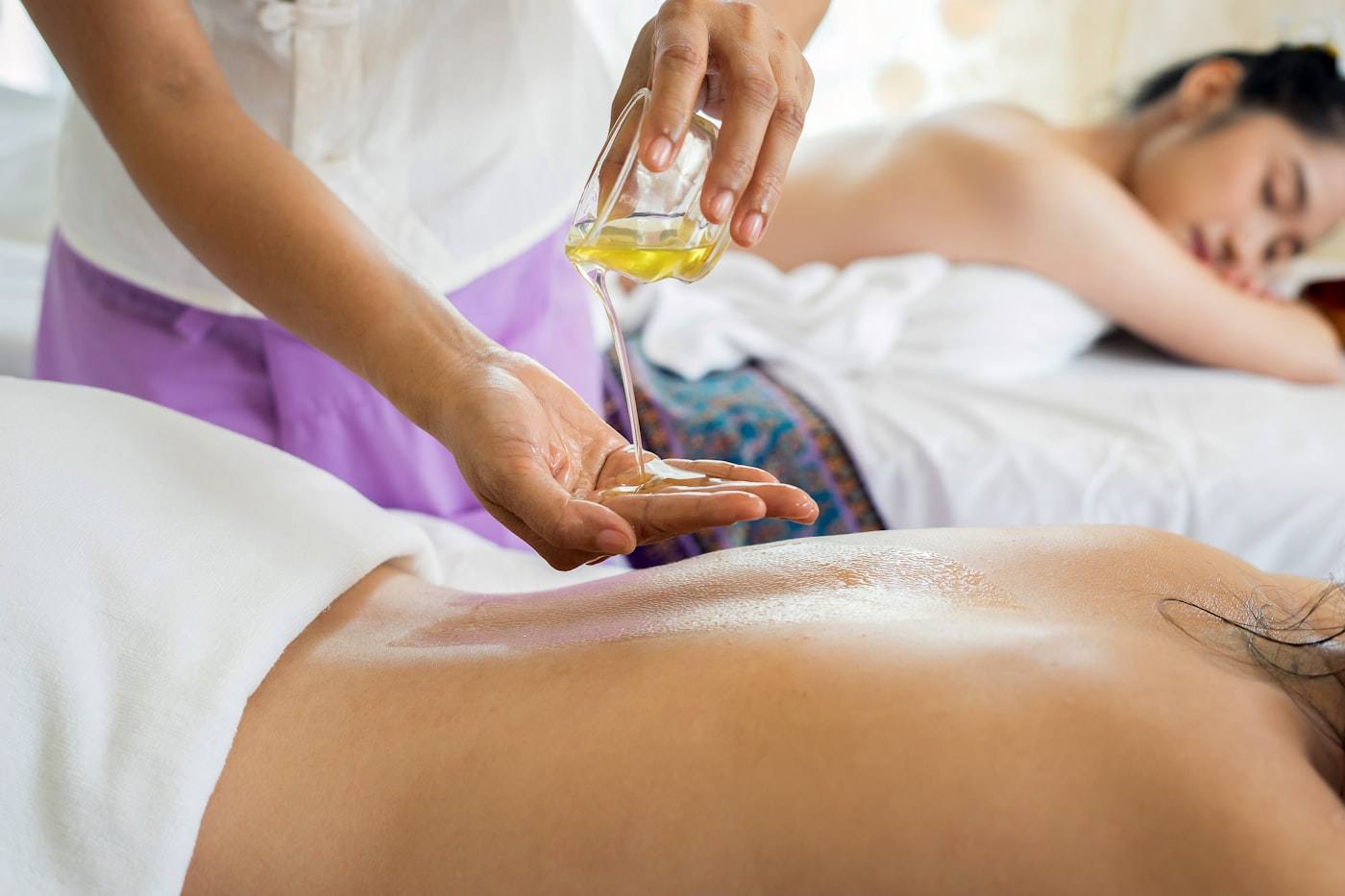
You undress to your comfort level, under draping, on a raised table. Oil or lotion lets the hands glide. The classic strokes are kneading and long glides. The aim is usually relaxation and general soft-tissue comfort. You are mostly passive. If that is what you want, book it on purpose — and do not walk into a traditional Thai room expecting the same sensory script.
Sports and deep tissue
These are problem-led. A therapist works a hamstring, a calf, a shoulder with more specific intent, often on a table, often with oil or cream. Athletes use them around training loads. Thai massage can overlap — the stretches are athletic — but it is a whole-body ritual first, not a clinical targeting of one muscle group.
How to choose on this directory
Listings include a services line. Traditional Thai, relaxation, foot massage and oil are not interchangeable. If you are recovering from a match in Manchester or a long run along the Yarra, a studio that lists sports or deep work may be the better first call. If you want the stretching lineage, filter with your eyes for traditional Thai and ignore anything that only photographs a candle.
When a listing is unclaimed, treat the services as a directory sketch, not a live menu. Claimed studios can keep that line accurate. That is one of the reasons the claim flow exists.
Find a city, then a room. These guides are for curious readers, not medical advice.