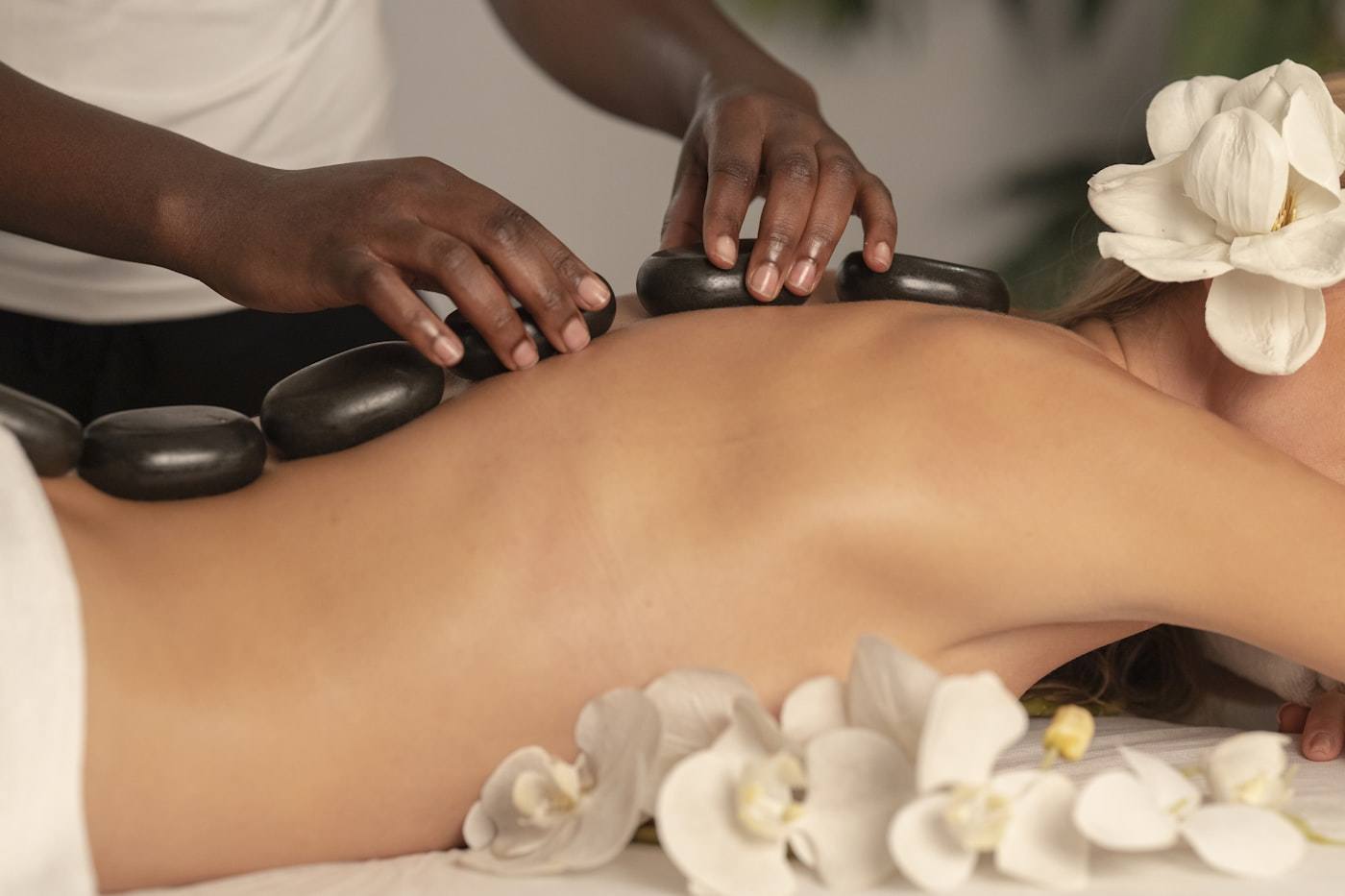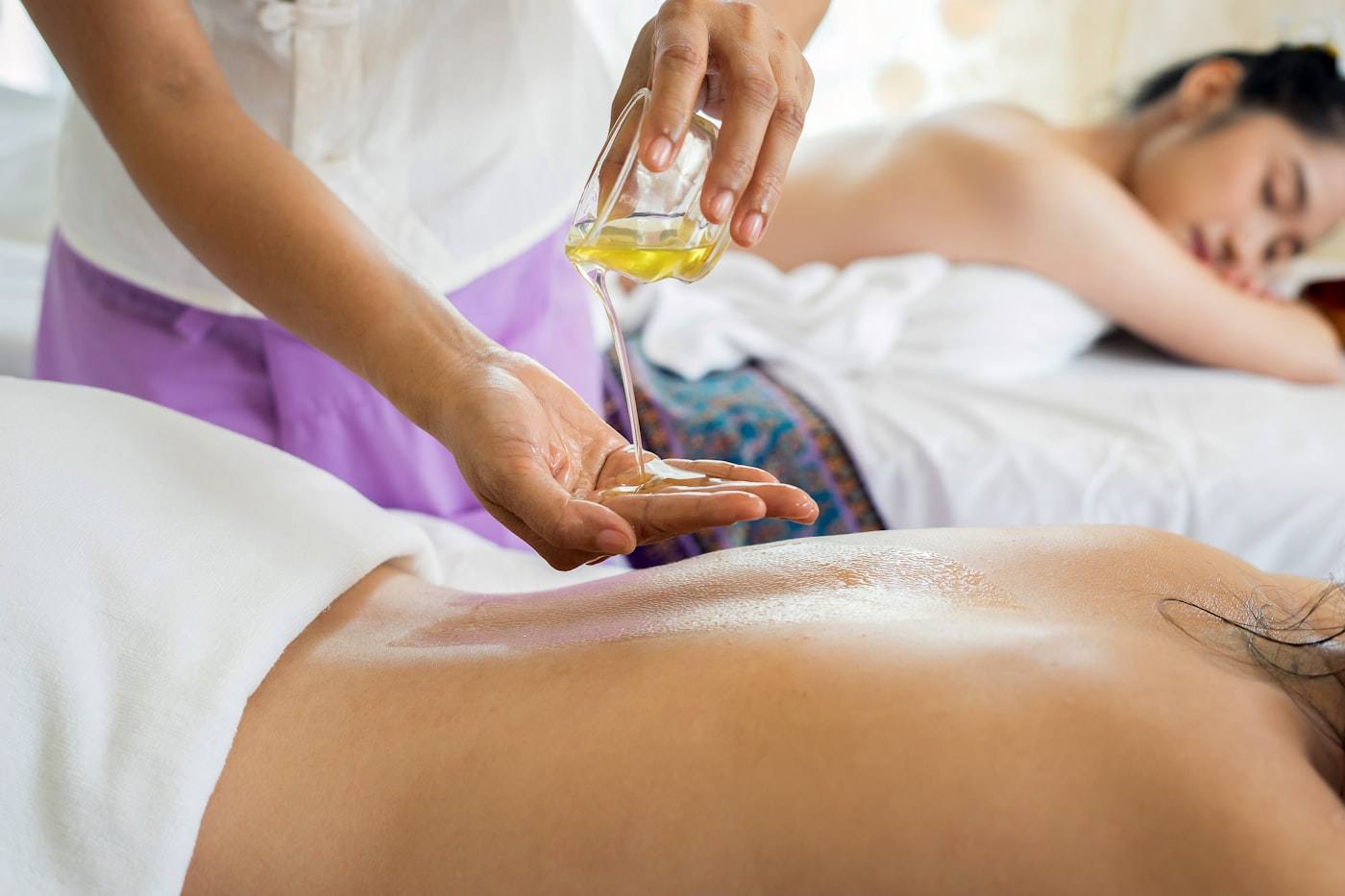
The first traditional Thai session is where most of the folklore is born. People remember the stretch they did not see coming, or the pressure they did not expect to like. A little briefing removes the performance anxiety so you can actually receive the work.
What you wear
Wear loose trousers you can move in and a T-shirt. Many studios lend a pair of cotton pants. You will not be oiled, so you can usually go on to dinner. Take off your watch and anything that will dig in during a hip stretch. If you prefer to keep a sports bra or extra layer on, say so. Traditional work does not require you to undress.
The room
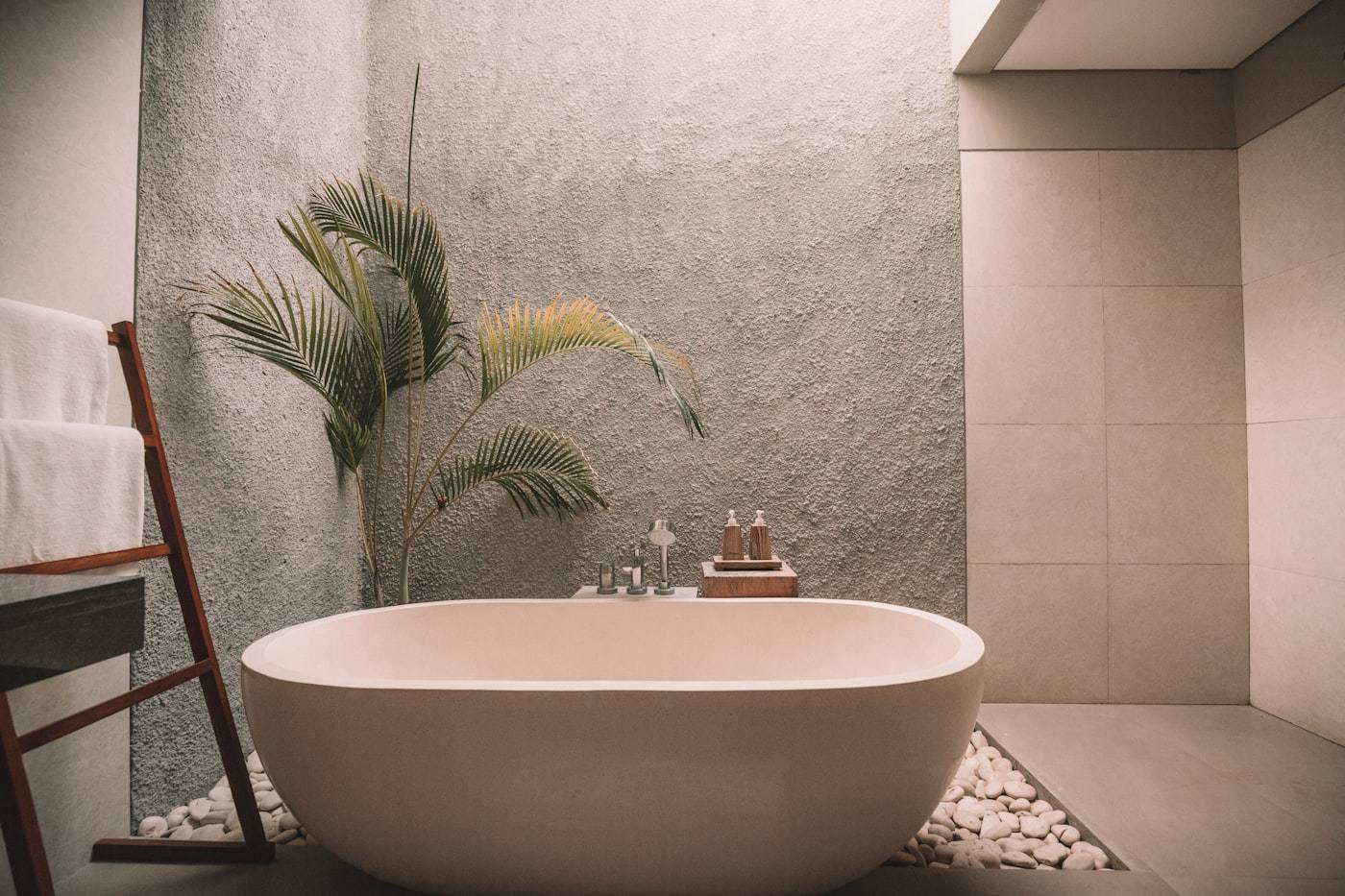
You may be on a floor mat in a room with other people, separated by curtains, or in a private cubicle. Destination spas photograph private suites; neighbourhood Thai rooms in Berlin, London and Melbourne are often more modest. Neither is a quality score on its own. Cleanliness, the therapist’s attention, and whether they ask about injuries are the score.
Talking and pressure
You can talk. You should talk if something hurts in a sharp or nervous way. Dull, working pressure is normal; anything electric, dizzy, or joint-wrong is a stop. A therapist cannot read a stoic face as well as you think. “Softer on the left shoulder” is professional information, not rudeness.
Breathing is the technique you bring. When a stretch arrives, exhale into it. If you brace, the therapist has to work against you and the hour gets worse for both of you.
Afterwards
Sit up slowly. Drink water. Your hips may feel unused. Walking a few blocks is better than jumping into a rideshare and folding back into the same chair. Soreness the next day, like a careful yoga class, can happen. Sharp pain should not.
If the studio is on this directory and unclaimed, the hours and phone may still be incomplete. Prefer claimed listings when you need a sure booking, and send a claim if you own the room.
Find a city, then a room. These guides are for curious readers, not medical advice.